Precision Assembly
Components are assembled in a controlled environment to maintain tight mechanical and electrical tolerances.
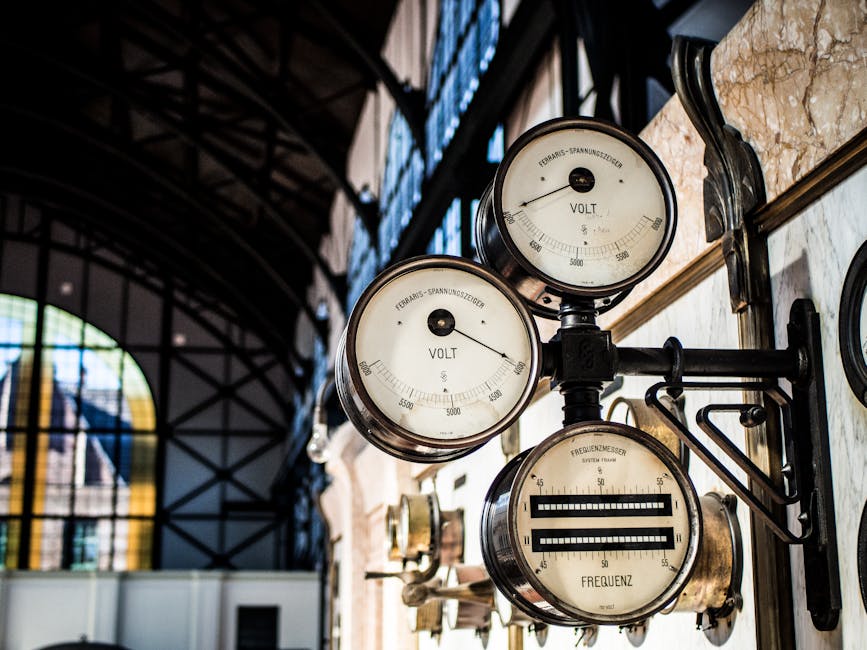
Precision Meters designs and manufactures metering devices with a focus on stable performance and repeatable results. Our approach combines rigorous component selection, controlled assembly processes, and multi‑stage calibration to support consistent operation across varied installation conditions. Each meter undergoes functional testing before leaving our facility to verify that internal tolerances and measurement algorithms align with documented specifications.
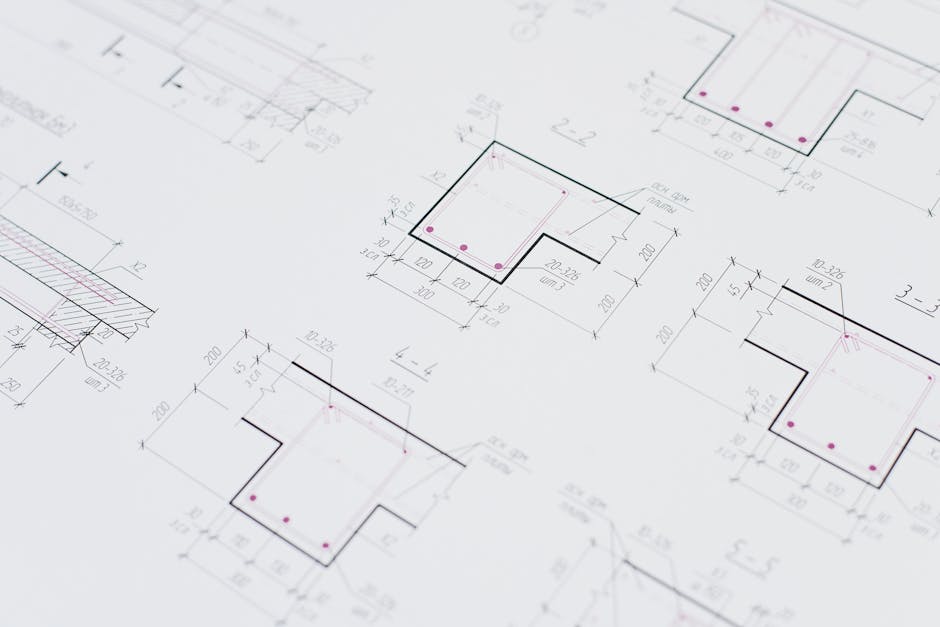
Components are assembled in a controlled environment to maintain tight mechanical and electrical tolerances.
Each meter is calibrated at several flow or load points to ensure linearity across its operating range.
Units are subjected to temperature, humidity, and vibration tests to verify stability under real‑world conditions.
Inspections at each production stage reduce variability and help maintain consistent measurement performance.
Reliability and accuracy in metering depend on a chain of design decisions and manufacturing controls. At Precision Meters, we begin by selecting materials with low thermal expansion coefficients and long‑term dimensional stability. Sensor geometries are modeled and verified to minimize flow disturbance and electrical noise. During production, each assembly station follows documented work instructions that specify torque values, seal placement, and wiring routing. After assembly, every meter enters a calibration routine where it is compared against a reference standard traceable to NIST. Adjustments are made to the meter’s firmware coefficients rather than physical components, which allows fine‑tuning without altering the mechanical build. Finally, a sample from each production batch undergoes extended run testing to monitor drift over time. This structured approach provides a framework for consistent measurement without promising absolute error‑free operation, as long‑term performance also depends on installation quality, water chemistry, electrical load characteristics, and maintenance practices.
Precision Meters operates a production facility focused on the design, assembly, and calibration of water and electricity meters for industrial and commercial applications. Our process begins with engineered component specifications and continues through controlled assembly lines where technicians follow standardised procedures. Calibration laboratories are equipped with master meters and electrical references that are regularly verified by external accreditation bodies. We maintain documentation for each unit’s calibration data, materials lot numbers, and test results to support traceability. This framework is intended to help wholesale buyers and facility managers select meters that align with their operational requirements for consistent measurement, while acknowledging that external factors such as pipe condition, electrical interference, and usage patterns also influence overall performance.

We installed Precision Meters across three buildings. The calibration consistency between units allowed us to compare consumption patterns with confidence.
Documentation provided with each meter made it easy to verify specifications. The test reports helped us match meters to specific usage ranges.
During routine audits, the meters showed minimal deviation from their original calibration curves. This stability supports our billing accuracy efforts.
Precision Meters designs its manufacturing and testing processes around industry standards such as AWWA C700 for water meters and ANSI C12.20 for electricity meters. Our calibration procedures reference these standards to define acceptable deviation limits. We also perform accelerated aging tests on sensor components to evaluate long‑term material stability. All test equipment is calibrated at regular intervals by accredited laboratories. This framework provides a consistent basis for evaluating meter performance, though actual field results may vary due to installation factors, water quality, electrical load fluctuations, and environmental conditions. We recommend reviewing our technical documentation to understand how these standards apply to specific use cases.